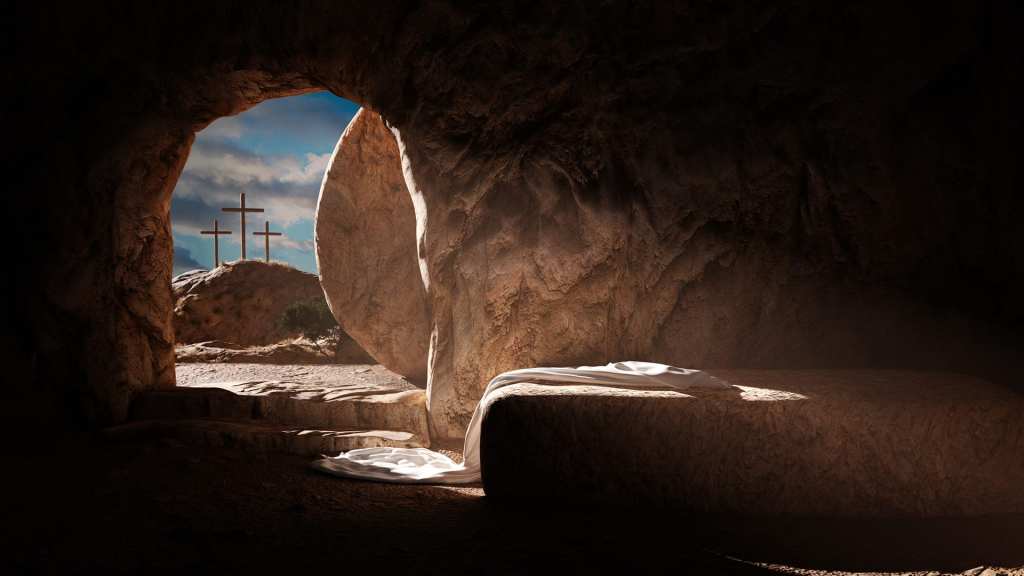
It is often claimed that the Bible is not reliable, that it is just a book of fables with very loose historical value, and that its claims of the supernatural contradict all scientific reasoning.
Chief among these is the Resurrection of Jesus Christ, which many view as utterly impossible. However, this is a surface-level read of both science and the Bible; what can or can’t be proven is more complicated than that. Science has its limitations on what it can prove, such as moral matters and the unobservable; it is not the end-all for what is true; therefore, the supernatural cannot be entirely ruled out.
The Bible also contains evidence for it being true in the form of live witnesses at the time of writing, and including details that would not be ideal if one were trying to create a convincing fictional narrative (such as women being the first witnesses due to their testimony being invalid).
The alternatives to the resurrection, in contrast, are filled with contradictions for not just the Bible but even logical reasoning, such as the unlikelihood that 500 people could all hallucinate Jesus was alive at the same time. In summary, determining the validity of the resurrection requires taking a hard look at the alternatives as well as the Bible.
Read full article at




 Ark of Truth
Leave a comment